
Introduction to Emunah and Bitachon
Rebbetzin Leah Donner
Start with the homepage series, then open any series in the library.
Rebbetzin Leah Donner
Rebbetzin Leah Donner
Rebbetzin Leah Donner
Rebbetzin Leah Donner
Rebbetzin Leah Donner
Rebbetzin Leah Donner
Rebbetzin Leah Donner
Rebbetzin Leah Donner
Rebbetzin Leah Donner
Rebbetzin Leah Donner
Rebbetzin Leah Donner
Rebbetzin Leah Donner
Rebbetzin Leah Donner
Rebbetzin Leah Donner
Rebbetzin Leah Donner
Rebbetzin Leah Donner
Rebbetzin Leah Donner
Rebbetzin Leah Donner
Rebbetzin Leah Donner
Rebbetzin Leah Donner
Rebbetzin Leah Donner
Rebbetzin Leah Donner
Rebbetzin Leah Donner
Rebbetzin Leah Donner
Rebbetzin Leah Donner
Rebbetzin Leah Donner
Rebbetzin Leah Donner
Rebbetzin Leah Donner
Rebbetzin Leah Donner
Rebbetzin Leah Donner
Rebbetzin Leah Donner
Rebbetzin Leah Donner
Rebbetzin Leah Donner
Rebbetzin Leah Donner
Rebbetzin Leah Donner
Rebbetzin Leah Donner
Rebbetzin Leah Donner
Rebbetzin Leah Donner
Rebbetzin Leah Donner
Rebbetzin Leah Donner
Rebbetzin Leah Donner
Rebbetzin Leah Donner
Rebbetzin Leah Donner
Rebbetzin Leah Donner
Rebbetzin Leah Donner
Rebbetzin Leah Donner
Rebbetzin Leah Donner
Rebbetzin Leah Donner
Rebbetzin Leah Donner
Rebbetzin Leah Donner
Rebbetzin Leah Donner
Rebbetzin Leah Donner
Rebbetzin Leah Donner
Rebbetzin Leah Donner
Rebbetzin Leah Donner
Rebbetzin Leah Donner
Rebbetzin Leah Donner
Rebbetzin Leah Donner
Rebbetzin Leah Donner
Rebbetzin Leah Donner
Rebbetzin Leah Donner
Rebbetzin Leah Donner
Rebbetzin Leah Donner
Rebbetzin Leah Donner
Rebbetzin Leah Donner
Rebbetzin Leah Donner
Rebbetzin Leah Donner
Rebbetzin Leah Donner
Rebbetzin Leah Donner
Rebbetzin Leah Donner
Rebbetzin Leah Donner
Rebbetzin Leah Donner
Rebbetzin Leah Donner
Rebbetzin Leah Donner
Rebbetzin Leah Donner
Rebbetzin Leah Donner
Rebbetzin Leah Donner
Rebbetzin Leah Donner
Rebbetzin Leah Donner
Rebbetzin Leah Donner
Rebbetzin Leah Donner
Rebbetzin Leah Donner
Rebbetzin Leah Donner
Rebbetzin Leah Donner
Rebbetzin Leah Donner
Rebbetzin Leah Donner
Rebbetzin Leah Donner
Rebbetzin Leah Donner
Rebbetzin Leah Donner
Rebbetzin Leah Donner
Rebbetzin Leah Donner
Rebbetzin Leah Donner
Rebbetzin Leah Donner
Rebbetzin Leah Donner
Rebbetzin Leah Donner
Rebbetzin Leah Donner
Rebbetzin Leah Donner
Rebbetzin Leah Donner
Rebbetzin Leah Donner
Rebbetzin Leah Donner
Rebbetzin Leah Donner
Rebbetzin Leah Donner
Rebbetzin Leah Donner
Rebbetzin Leah Donner
Rebbetzin Leah Donner
Rebbetzin Leah Donner
Rebbetzin Leah Donner
Rebbetzin Leah Donner
Rebbetzin Leah Donner
Rebbetzin Leah Donner
Rebbetzin Leah Donner
Rebbetzin Leah Donner

What is the teaching of Lashon Hara?
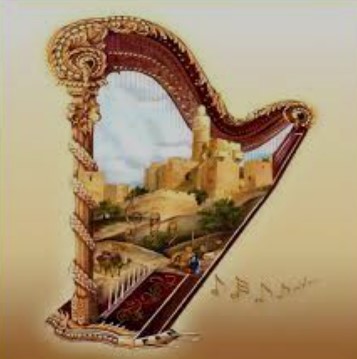
Tehillim , a book slim in size but towering in importance, has a special place in the Jewish library. Its Hebrew name, Tehillim (תהילים), means “praises,” and it contains many praises and supplications to G‑d . In English it is known as “ Psalms ,” from the Greek ψαλμοί, which means “instrumental music.”

A healthy Jewish people is one big, caring family where each individual loves the other like his or her own self. Where one Jew faces rough times and the others hold his hands. Where one meets good fortune and all of us celebrate. Where no one is labeled or alienated for his or her beliefs, behaviors or background. Where each runs to do an act of kindness for the other, and shuts his eyes and ears to the other’s shame.

And what should a person talk about to Hashem? Talk to Him about everything you normally talk about with people. He is the only one who is really and truly listening.

What are you saying when you are talking to your Gd?

The Precise System Through Which God Directs Every Aspect of Existence

One of the most influential works of Mussar, the Mesillat Yesharim is Rabbi Moshe Hayyim Luzzatto's instruction manual for the correction of character flaws and refinement of one's service to the Al-mighty, based on well-known teachings of our Sages.

You know how to feed your body; here's a way to nourish your soul.

In Aderes Eliyahu, the Vilna Gaon presents a deeper dimension to the Book of Yonah/Jonah. He explains it as an allegory of the story of the human soul and its struggle with and victory over a body and planet inhospitable to its spiritual mission. Adapted from the Gaon’s commentary by Rabbi Moshe Schapiro.
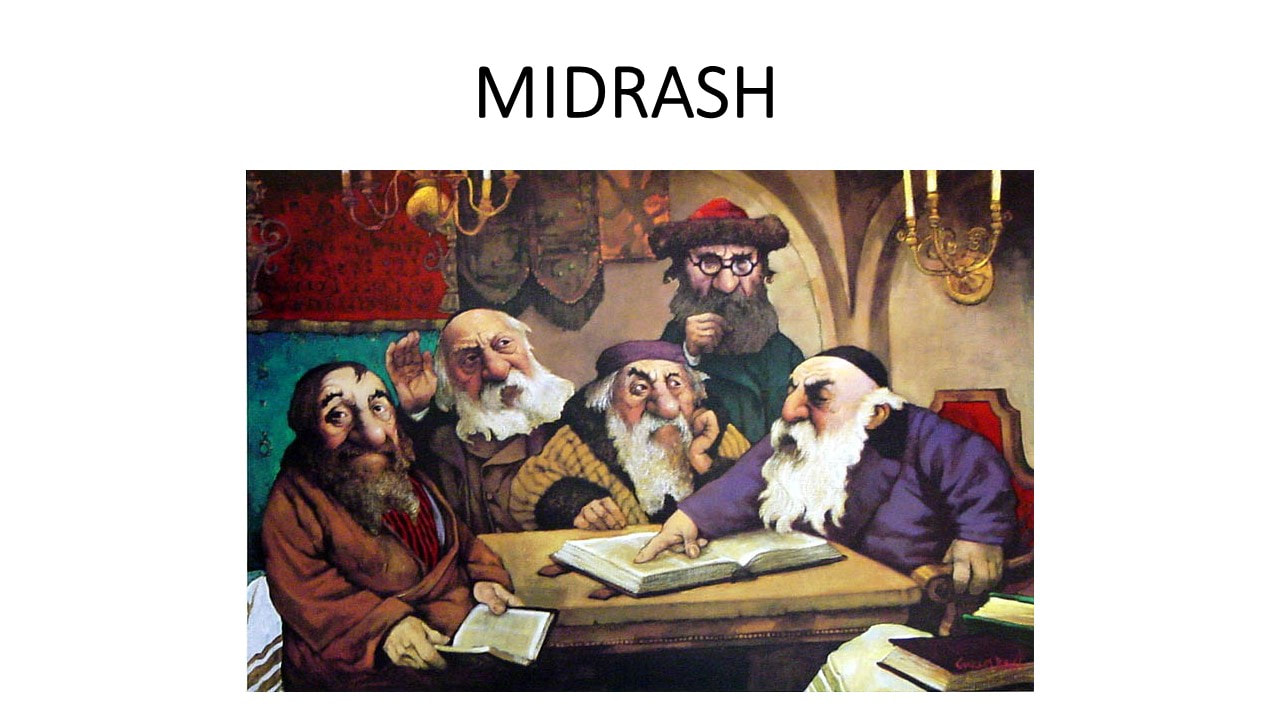
Pirkei Avos / Ethics of the Fathers contains timeless wisdom. It is a collection of ethics, honesty, and advice. But at its very beginning it tells us that even this part of Jewish life came from Sinai. All of that is part of Judaism.

Our current exile is confusing and dark, but redemption beckons at every corner. The great, prolific 18th-century sage, Rabbi Moshe Chaim Luzzatto, wrote what was to be Ma'amar HaGeulah as a letter to his students, at the age of twenty-three, revealing to them the nature of the process of redemption.

The Pele Yoetz is a classical moral treatise and compilation of essential Jewish concepts that Rabbi Eliezer Papo (1785-1828) organized according to topics in the order of the Hebrew alphabet.

In The Power of the Festivals: HaGaon Rabbi Yaakov Hillel, eminent Kabbalist and rosh yeshivah of Yeshivat Hevrat Ahavat Shalom, introduces the reader to the deeper significance of familiar, beloved highlights of our year like Rosh Hashanah, Yom Kippur, Sukkot, Chanukah, Tu B'Shevat, Purim, Pesach and Shavuot. We learn how to make the most of Shabbat, what tefillah can accomplish, the purpose of the sacrifices offered in the Bet Hamikdash, and much more. As the year and its milestones unfold, we discover the power of the Jewish Festivals and of the emunah that has carried the Jewish people through challenging times.

Of all the works of the Arizal's teacher, the holy Rav Moshe Cordovero, Tomer Devorah is the best known, most easily understood and most clearly practical. Each of the Thirteen Attributes of Divine Mercy is first presented with the analysis of the original text, and then discussed and illustrated with a practical example, involving challenges similar to those we often face in our day-to-day lives. The Divrei Chaim, Rav Chaim Halberstam of Sanz, stated that all who learn Tomer Devorah will be saved from serious illness. By emulating Hashem's compassion, we transform our judgmental feelings into mercy, and thereby draw an awesome flow of blessing upon us, the Jewish people and the entire world. Approbation: "This sefer advances love of Hashem, love of fellow Jews, and perfection of one's middos." —Rabbi Yitzchak Zilberstei

Why are some couples childless while others are blessed with children? What can a childless couple do to merit children? What is the Torah perspective on childlessness?

Shidduchim. Whether we are “in the parashah” ourselves, or it is our children, grandchildren, friends, or neighbors — we all know people searching for their zivug, awaiting the “Kriyas Yam Suf” that will bring them to their bashert. In these unique lessons , we look at the topic of shidduchim through the wise and far-seeing eyes of some of our greatest sages.

Gateways to Hashem from the author of the acclaimed sefarim Bilvavi Mishkan Evneh (Building A Sanctuary In The Heart) and Da Es Atzmecha (Getting To Know Your Self) is a thought-provoking compilation of derashos about the unique avodas Hashem of the Jewish woman.

TAKE CHARGE. Of your words. And your life. And see how happy and fulfilled you can become.

Earning eternity with just one thought . . . Could there be a better investment?Doing mitzvos is one of the most fundamental activities of our lives. After all, mitzvos are how we serve Hashem and earn our everlasting reward in the World to Come. We invest so much time, effort, and money into mitzvos — and rightly so. There is, however, one aspect of mitzvah performance that is often overlooked: the kavanah (intent) that we must have in mind while doing them. This kavanah is an integral part of a mitzvah. As the Chofetz Chaim taught, “There is a tremendous difference between a mitzvah performed with kavanah and one performed without!”

The Rambam, in his commentary on the Mishnayos (end of Maseches Brachos), writes: “More precious to me than all the other topics, is to teach about ikrei daas v’emunah, the fundamentals of Judaism and emunah!” The Rambam, our great teacher, whose teachings encompass the entire Torah, is telling us that the subject most important for him to disseminate is ikrei daas v’emunah. In fact, the Rambam is the one who organized and delineated the famous thirteen principles of emunah in Perek Chelek in Maseches Sanhedrin. Later on, they were made popular As heard from Rav Yisrael Ginsburg, shlita, a grandson of the Mashgiach and a maggid shiur in the Yeshivah of Staten Island.